Phacolytic glaucoma
* Hypermature cataract,自己leakage (通常在年紀大者)
* 眼壓會急速增高!結膜很紅,角膜很霧
* 與scavenging macrophage堵住TM有關
=> open-angle,trabecular occlusion by macrophage
=> 沒有KP,也沒有synechiae ~考!
* 機轉: innate immunity(aqueous可見lipid-laden macrophage)
Phacoanaphylactic endophthalmitis (phacotoxic, phacoanaphylactic)
* 較為少見
* granulomatous inflammation → 會有KP! (phacolytic者不會有KP)
* 通常是在trauma或cataract手術後產生
* 機轉:acquired immunity
=> IgG直接攻擊lens protein (immune complex against lens crystallin)
* 眼壓會增高
=> open-angle-trabecular occlusion by lens protein
* 雖然名字有 anaphylatic,但卻不是type 1 hypersensitivity (名字取得不好,易誤會)
=> 反而是 type 2,3,4 hypersensitivity參與機轉。
lens particle glaucoma
cataract extraction殘留cortex,造成發炎及blockage of TM by lens protein。
Phacomorphic glaucoma
lens膨大往前頂,Posterior Pushing mechanism→pupillary block→angle closure glaucoma
ectopic lentis
也會造成angle closure glaucoma with pupillary block
例題:
下列何者主要為angle closure glaucoma ?
A. Phacoanaphylactic endophthalmitis
B. Phacolytic glaucoma
C. Phacomorphic glaucoma
D. Lens particle glaucoma
答: C
2010年8月12日 星期四

NasoLacrimal duct obstruction
Congenital NLD Obstruction
* 50% newborn會有,3-4週時只剩2-6%仍阻塞,其中1/3雙側involve!
* 位置在Valve of Hasner (考!)
* 90%會在一週歲以前自癒。
* 治療方法很多,從observation, topical medicine, massage到DCR都可能
* 其中,probing是很有效的治療,最好在六個月大之前
* 若probing超過12個月才做,會降低成功率!
* probing的時機(最好在六個月前)
1. 小於六個月:若無dacryocystitis,可觀察或做probing
2. 小於六個月:有chronic dacryocystitis,強烈建議probing
3. 小於六個月:有acute dacryocystitis,infection治療好後再probing
4. 大於六個月:仍然強烈建議probing
Acquired NLD Obstruction
* etiology: involutional, infection, inflammation, trauma
* 治療:
1. recent onset: topical 抗生素、steroids, nasal spray
2. persistent : silicone incubation
3. acute dacryocystitis: 避免 irrigation or probing
注意: adult probing只有診斷效果(判斷obstruction site),無治療果。
經驗補充:
一、嬰幼先NLD probing以全身麻醉進行為主,術前應會同小兒科、麻醉科評估身體狀態。
二、或可以chlorohydate進行sedation後加上local anesthesia(在lacrimal sac表面),以local方式進行probing。
* 50% newborn會有,3-4週時只剩2-6%仍阻塞,其中1/3雙側involve!
* 位置在Valve of Hasner (考!)
* 90%會在一週歲以前自癒。
* 治療方法很多,從observation, topical medicine, massage到DCR都可能
* 其中,probing是很有效的治療,最好在六個月大之前
* 若probing超過12個月才做,會降低成功率!
* probing的時機(最好在六個月前)
1. 小於六個月:若無dacryocystitis,可觀察或做probing
2. 小於六個月:有chronic dacryocystitis,強烈建議probing
3. 小於六個月:有acute dacryocystitis,infection治療好後再probing
4. 大於六個月:仍然強烈建議probing
* Valve of Rosenmüller :
位置: common canaliculus進入lacrimal sac的 oblique entrance。
功能: 避免淚水反流入canaliculus

*Valve of Hasner
位置在NLD distal端進下鼻甲處。
七成的新生兒不通!但在6~12個月內通常會自己通。
Acquired NLD Obstruction
* etiology: involutional, infection, inflammation, trauma
* 治療:
1. recent onset: topical 抗生素、steroids, nasal spray
2. persistent : silicone incubation
3. acute dacryocystitis: 避免 irrigation or probing
注意: adult probing只有診斷效果(判斷obstruction site),無治療果。
經驗補充:
一、嬰幼先NLD probing以全身麻醉進行為主,術前應會同小兒科、麻醉科評估身體狀態。
二、或可以chlorohydate進行sedation後加上local anesthesia(在lacrimal sac表面),以local方式進行probing。
美國仙丹–Steroids
Sec. 2 fundamental
* 機轉: 抑制prostaglandin的precurser的synthesis以達到抗發炎的作用
* 副作用:很多,包含改變immune, bone fracture, altered mood, open-angle glaucoma, Cushing syndrome… 重則到death。(Hypertension不是steroids的副作用!不要被騙了。)
* steroids之使用可能導致open-angle glaucoma,小孩子又比大人更容易。
* 使用steroids的原則:先大量使用,再慢慢tapping。
* Dexamethasone 0.1%可升高眼壓達26mmHg,效價很強,要小心。
Sec. 5 Neuro-ophthalmology
依據ONTT
* 對於optic neuritis不可單純給予oral steroids(比不治療還差)
* 對optic neuritis給予high dose systemic steroids對視力預後沒有幫助,但可以加速前兩週的視力恢復。
* 當MRI顯示MS,則打steroids可降低未來發生2nd neurologic events的機率
* 在2年內,IV corticosteroids可降低2nd neurologic events的機率
* 超過2年:IV corticosteroids,無法改善10年後MS發生機會
* 口服prednisolone治療demyelinating optic neuritis會增加recurrence rate,也會增加secondary neurologic events的機率
* ONTT經過追蹤,10-year risk for developing MS after isolated optic neuritis
Overall 發生率:38%
MRI positive者:56%
MRI negative者:22%
* 在demyelinating optic neuritis發生時,MRI表現會影響未來發生MS的機率。
* LHON以corticosteroids治療無效!
Sec. 6 pediatric
* pediatric cataract surgery之後需使用topical steroids及cycloplegics以預防Post. synechiae。
Sec 7. Orbit, plasty
* capillary hemangioma可以intralesional injection of steroid 使其regress,systemic steroids也可以,但systemic administration會有retard growth的副作用而少用。
* corticosteroids對於pseudotumor有效,但不建議用於lymphoproliferative lesion(應該用RadioTheray)
* systemic steroids on TED: 用於有compressive optic neuropathy者,在等待decompression surgery之前使用。
Sec 8 Ext. eye and Cornea
* HSV epithelial keratitis禁用steroids,在誤用steroids後,可能見到dendrite變成geographic更大範圍的分佈。
* herpetic intersitial keratitis使用steroids不屬於禁忌。
* PUK在角膜明顯變薄時,不可以用corticosteroids,因為會抑制collagenase的功能。
* PKP術後的therapy:mainstay是topical corticosteroids(0.1% Dexa, 1% Pred)ointment效果比較不好,不要用。
# 根據HEDS trial
* Topical corticosteroids之給予對於急性期之stromal keratitis具有關鍵性的治療效果。可縮短stromal keratitis的時間
* topical corticosteroids可加速stromal keratitis之復原,並減少治療失敗,但對最終視力無影響
* 根據HEDS trial另一項實驗,HSV iridocyclitis使用oral acyclovir及topical steroids有不錯的效果,但case number不足,未定論。
* 對於已接受局部coritcosteroids及口服trifluridine治療之herpes simplex iridocyclitis患者患者,oral acyclovir應該可減少治療失敗,故建議加入此項治療。
# bacterial keratitis
作用: steroids乃是為了避免neutrophil對corneal stroma的destruction!
動物實驗顯示加入corticosteroids後恢復較好,人類的臨床經驗也是如此。
不過,目前的醫療環境實在太險惡了,用steroids還是得小心再小心,請確認:
* steroids之使用,應等到確定bacteria的種類及確認目前antibiotics有效之後才能開始使用,不可以一開始就使用
* 如果是某些較麻煩的菌種就不要使用(如Pseudomonas…)
* 確認病患可以頻繁回診(24~48小時)且compliance佳才可使用。
dosage: prednisolone 1% Q4H~Q6H,如果反應不錯,24~48小時回診後可再調整為短一點的頻率。
Sec. 9 Uveitis and intraocular tumors
* Toxocariasis在急性期最好使用steroids
* Sympathetic ophthalmia可用 periocular corticosteroid治療
* immunosuppresant及low dose steroids常可有效控制uveitis
* Fuchs heterochromic cyclitis,通常不需用使用steroids治療,自己會好。
* pars planitis在沒有CME等危及視力的狀況下,一般來說不需要steroids治療。
* 對於toxoplasmosis之治療:可以steroids治療anterior uveitis,但禁用periocular debot injection(會降低ocular immune,引起原蟲增生,ARN等可怕的副作用)
=> 不過,在antimicrobial的coverage之下,仍可針對oxoplasmic retinitis使用corticosteroids當做part of the regimen (AAO Sec 6. 15)
★ toxocariasis和toxoplasmosis這兩個名字很像,但前者要用steroids治療,後者不可用steroid injection,考試很喜歡混淆,一定要背清楚!
* severe nodular及necrotizing scleritis的治療以systemic corticosteroids及NSAIDS為主,禁用 periocular debot injection of steroids,因為會引起scleral necrosis及加重epithelial defect。
* fungal endophthalmitis禁用steroids
* APMPPE對systemic steroids反應不佳
* PCNSL用steroid只能改善vitritis,但最後產生resistence而於事於補。
* JRA患者若只有moderate AC flare,沒有cells→不需使用steroids
* Herpes simplex keratouveitis → 可用steroids合併antiviral agents,可降低症狀並改善癒後
* 對於corticosteroids反應不佳之vitritis,應考慮malignancy之可能。
Sec. 10 Glaucoma
Longterm Steroids使用可造成open-angle glaucoma (如:兒童氣喘口服類固醇亦可能)
Sec. 13 Refractive surgery
LASIK後發生DLK
若在stage 1-2,主要是使用topical steroids
stage 3-4就要relift and irrigation
(補充–DLK分期: 1:peripheral WBC, 2:central WBC, 3:visual axis WBC, 4: permanent scarring or corneal melting. )
* 機轉: 抑制prostaglandin的precurser的synthesis以達到抗發炎的作用
* 副作用:很多,包含改變immune, bone fracture, altered mood, open-angle glaucoma, Cushing syndrome… 重則到death。(Hypertension不是steroids的副作用!不要被騙了。)
* steroids之使用可能導致open-angle glaucoma,小孩子又比大人更容易。
* 使用steroids的原則:先大量使用,再慢慢tapping。
* Dexamethasone 0.1%可升高眼壓達26mmHg,效價很強,要小心。
Sec. 5 Neuro-ophthalmology
依據ONTT
* 對於optic neuritis不可單純給予oral steroids(比不治療還差)
* 對optic neuritis給予high dose systemic steroids對視力預後沒有幫助,但可以加速前兩週的視力恢復。
* 當MRI顯示MS,則打steroids可降低未來發生2nd neurologic events的機率
* 在2年內,IV corticosteroids可降低2nd neurologic events的機率
* 超過2年:IV corticosteroids,無法改善10年後MS發生機會
* 口服prednisolone治療demyelinating optic neuritis會增加recurrence rate,也會增加secondary neurologic events的機率
* ONTT經過追蹤,10-year risk for developing MS after isolated optic neuritis
Overall 發生率:38%
MRI positive者:56%
MRI negative者:22%
* 在demyelinating optic neuritis發生時,MRI表現會影響未來發生MS的機率。
* LHON以corticosteroids治療無效!
Sec. 6 pediatric
* pediatric cataract surgery之後需使用topical steroids及cycloplegics以預防Post. synechiae。
Sec 7. Orbit, plasty
* capillary hemangioma可以intralesional injection of steroid 使其regress,systemic steroids也可以,但systemic administration會有retard growth的副作用而少用。
* corticosteroids對於pseudotumor有效,但不建議用於lymphoproliferative lesion(應該用RadioTheray)
* systemic steroids on TED: 用於有compressive optic neuropathy者,在等待decompression surgery之前使用。
Sec 8 Ext. eye and Cornea
* HSV epithelial keratitis禁用steroids,在誤用steroids後,可能見到dendrite變成geographic更大範圍的分佈。
* herpetic intersitial keratitis使用steroids不屬於禁忌。
* PUK在角膜明顯變薄時,不可以用corticosteroids,因為會抑制collagenase的功能。
* PKP術後的therapy:mainstay是topical corticosteroids(0.1% Dexa, 1% Pred)ointment效果比較不好,不要用。
# 根據HEDS trial
* Topical corticosteroids之給予對於急性期之stromal keratitis具有關鍵性的治療效果。可縮短stromal keratitis的時間
* topical corticosteroids可加速stromal keratitis之復原,並減少治療失敗,但對最終視力無影響
* 根據HEDS trial另一項實驗,HSV iridocyclitis使用oral acyclovir及topical steroids有不錯的效果,但case number不足,未定論。
* 對於已接受局部coritcosteroids及口服trifluridine治療之herpes simplex iridocyclitis患者患者,oral acyclovir應該可減少治療失敗,故建議加入此項治療。
# bacterial keratitis
作用: steroids乃是為了避免neutrophil對corneal stroma的destruction!
動物實驗顯示加入corticosteroids後恢復較好,人類的臨床經驗也是如此。
不過,目前的醫療環境實在太險惡了,用steroids還是得小心再小心,請確認:
* steroids之使用,應等到確定bacteria的種類及確認目前antibiotics有效之後才能開始使用,不可以一開始就使用
* 如果是某些較麻煩的菌種就不要使用(如Pseudomonas…)
* 確認病患可以頻繁回診(24~48小時)且compliance佳才可使用。
dosage: prednisolone 1% Q4H~Q6H,如果反應不錯,24~48小時回診後可再調整為短一點的頻率。
Sec. 9 Uveitis and intraocular tumors
* Toxocariasis在急性期最好使用steroids
* Sympathetic ophthalmia可用 periocular corticosteroid治療
* immunosuppresant及low dose steroids常可有效控制uveitis
* Fuchs heterochromic cyclitis,通常不需用使用steroids治療,自己會好。
* pars planitis在沒有CME等危及視力的狀況下,一般來說不需要steroids治療。
* 對於toxoplasmosis之治療:可以steroids治療anterior uveitis,但禁用periocular debot injection(會降低ocular immune,引起原蟲增生,ARN等可怕的副作用)
=> 不過,在antimicrobial的coverage之下,仍可針對oxoplasmic retinitis使用corticosteroids當做part of the regimen (AAO Sec 6. 15)
★ toxocariasis和toxoplasmosis這兩個名字很像,但前者要用steroids治療,後者不可用steroid injection,考試很喜歡混淆,一定要背清楚!
* severe nodular及necrotizing scleritis的治療以systemic corticosteroids及NSAIDS為主,禁用 periocular debot injection of steroids,因為會引起scleral necrosis及加重epithelial defect。
* fungal endophthalmitis禁用steroids
* APMPPE對systemic steroids反應不佳
* PCNSL用steroid只能改善vitritis,但最後產生resistence而於事於補。
* JRA患者若只有moderate AC flare,沒有cells→不需使用steroids
* Herpes simplex keratouveitis → 可用steroids合併antiviral agents,可降低症狀並改善癒後
* 對於corticosteroids反應不佳之vitritis,應考慮malignancy之可能。
Sec. 10 Glaucoma
Longterm Steroids使用可造成open-angle glaucoma (如:兒童氣喘口服類固醇亦可能)
Sec. 13 Refractive surgery
LASIK後發生DLK
若在stage 1-2,主要是使用topical steroids
stage 3-4就要relift and irrigation
(補充–DLK分期: 1:peripheral WBC, 2:central WBC, 3:visual axis WBC, 4: permanent scarring or corneal melting. )
2009年8月5日 星期三
胚胎
網膜虹睫表神經; 外肌外鞏血內皮。
水晶表角結膜淚; 其它都在神經脊。
七言絕句: 好詩!
外胚層 (Ectoderm)
表面外胚層 (Surface ectoderm)
Lens
Corneal epithelium
Cojunctiva
lacrimal glands cells
視經外胚層 (Neuroectoderm )
optic nerve
Retina (RPE and neurosensory retina)
ciliary epithelium (pigmented and nonpigmented)
Iris muscle : sphincter and dilator
Iris epithelium
神經外胚層–由後往前:
optic nerve→retina→ciliary epithelium→iris muscle+epithelium
神經脊( Neural crest)
sclera(teporal之外的大部份)
choroid
stroma of iris
corneal stroma+endothelium
trabecular meshwork
Ciliary muscle
=> cornea,iris,choroid,stroma都在neural crest!
* 中胚層 (Mesoderm)
構成:
眼外肌的muscle fiber (sheath與tendon屬於neural crest)
sclera的temporal portion (sclera的其它部份由neural crest構成)
眼部血管的endothelial lining
器官整理:
* cornea
epithelium – surface ectoderm
stroma and endothelium – neurocrest
* sclera
temporal portion–mesoderm
其它部份–neural crest
* optic nerve:neuroectoderm
* extraocular muscle
belly – mesoderm
tendon and sheath – neural crest
Uvea
* Iris
Iris muscle (dilator/sphincter)/epithelium – neuroectoderm
Iris stroma–neural crest
* Choroid – neural crest
* Ciliary muscle – neural crest
Melanocyte – neural crest
Trabecular meshwork – Neural crest
* Lens – surface ectoderm
* vitreous–mesoderm + surface ectoderm + neuroectoderm (只差沒有neural crest→因為vitreous沒有 stroma)
* Retina–neuroectoderm
* RPE–neuroectoderm
Anterior chambers 的形成是經由Neural crest cells migrate分化而來
第1波:形成corneal endothelium(1內)
第2波:形成iris, 部份papillary membrane(2彩)
第3波:形成Keratocytes(3角)
口訣: 跳土風舞:「前一二三…向內踩腳」… 1內,2彩,3角
lens embryology:
22天–optic primordium
25天–optic vesicle
27天–lens plate
29天–lens pit
33天–lens vesicle且同時optic vesicle →2 layered optic cup
40天–來至後方的cells elongated→primary lens fiber(embryonic nucleus)→7週至8個月→來至equator的epithelium分化成secondary lens fiber→fetus nucleus
suture–由於lens由外向內分泌fiber,當前後cells相會時,則形成suture,在8週時可見到前有正立Y,後有倒Y結構(前正後倒)
Tunical vasculosa lentis – 分成:
Ant. vascular capsule
來自long ciliary a.
形成pupillary strand
Capsulopupillary portion
Post. vascular capsule
來自hyaloid a.
形成Mittendorf dot
zonular fiber在3個月大時由ciliary epithelium來
congenital aphakia – 分primary (根本沒發育)及secondary(發育後又absorb掉)
* Mesenchymal structures of the head, including the eye, are all derived from "a combination of neural crest cells and mesoderm"
* The mesoderm gives rise to all vascular endothelia, all extraocular muscles, and temporal sclera
水晶表角結膜淚; 其它都在神經脊。
七言絕句: 好詩!
外胚層 (Ectoderm)
表面外胚層 (Surface ectoderm)
Lens
Corneal epithelium
Cojunctiva
lacrimal glands cells
視經外胚層 (Neuroectoderm )
optic nerve
Retina (RPE and neurosensory retina)
ciliary epithelium (pigmented and nonpigmented)
Iris muscle : sphincter and dilator
Iris epithelium
神經外胚層–由後往前:
optic nerve→retina→ciliary epithelium→iris muscle+epithelium
神經脊( Neural crest)
sclera(teporal之外的大部份)
choroid
stroma of iris
corneal stroma+endothelium
trabecular meshwork
Ciliary muscle
=> cornea,iris,choroid,stroma都在neural crest!
* 中胚層 (Mesoderm)
構成:
眼外肌的muscle fiber (sheath與tendon屬於neural crest)
sclera的temporal portion (sclera的其它部份由neural crest構成)
眼部血管的endothelial lining
器官整理:
* cornea
epithelium – surface ectoderm
stroma and endothelium – neurocrest
* sclera
temporal portion–mesoderm
其它部份–neural crest
* optic nerve:neuroectoderm
* extraocular muscle
belly – mesoderm
tendon and sheath – neural crest
Uvea
* Iris
Iris muscle (dilator/sphincter)/epithelium – neuroectoderm
Iris stroma–neural crest
* Choroid – neural crest
* Ciliary muscle – neural crest
Melanocyte – neural crest
Trabecular meshwork – Neural crest
* Lens – surface ectoderm
* vitreous–mesoderm + surface ectoderm + neuroectoderm (只差沒有neural crest→因為vitreous沒有 stroma)
* Retina–neuroectoderm
* RPE–neuroectoderm
Anterior chambers 的形成是經由Neural crest cells migrate分化而來
第1波:形成corneal endothelium(1內)
第2波:形成iris, 部份papillary membrane(2彩)
第3波:形成Keratocytes(3角)
口訣: 跳土風舞:「前一二三…向內踩腳」… 1內,2彩,3角
lens embryology:
22天–optic primordium
25天–optic vesicle
27天–lens plate
29天–lens pit
33天–lens vesicle且同時optic vesicle →2 layered optic cup
40天–來至後方的cells elongated→primary lens fiber(embryonic nucleus)→7週至8個月→來至equator的epithelium分化成secondary lens fiber→fetus nucleus
suture–由於lens由外向內分泌fiber,當前後cells相會時,則形成suture,在8週時可見到前有正立Y,後有倒Y結構(前正後倒)
Tunical vasculosa lentis – 分成:
Ant. vascular capsule
來自long ciliary a.
形成pupillary strand
Capsulopupillary portion
Post. vascular capsule
來自hyaloid a.
形成Mittendorf dot
zonular fiber在3個月大時由ciliary epithelium來
congenital aphakia – 分primary (根本沒發育)及secondary(發育後又absorb掉)
* Mesenchymal structures of the head, including the eye, are all derived from "a combination of neural crest cells and mesoderm"
* The mesoderm gives rise to all vascular endothelia, all extraocular muscles, and temporal sclera
2009年8月4日 星期二
怪怪洋名「辛左恩」–Syndrome
* Anton syndrome–雙側occipital infarction後仍聲稱可見到東西
* De Morsier syndrome (Septo-optic dysplasia)
Optic nerve hypoplasia
Midline CNS deformation
→ Absent pellucidum , corpus callosum agenesis
Pituitary dysfunction
→ Pituitary dwarfism , hypothyroidism
* Balint syndrome→會有optic ataxia(無法將眼球移到想看到的物體上),主要的lesion在post. parietal lobe
* Charks, Bonnet syndrome–hallucination和partial visual loss有關
* Crouzon syndrome:Brachycephaly (bilateral suture closure)
有proptosis, midface hypoplasia,造成malocclusion
有突眼 → corneal ulcer稱為parrot break,無syndactyly!
* Down syndrome:Trisomy 21
* Foster-Kennedy syndrome:由IICP造成optic atrophy,視力正常
* Pseudo-Foster-Kennedy syndrome (PFK syndrome):一眼出現atrophy,另一眼disc edema,則稱之。AAION造成之PFK syndrome,會影響視力。
* Gerstmann syndrome:看東西只看一半(hemineglect),無法分辨數字→dominant parietal lobe lesion
* Kohn-Ramono syndorme: 3q13, AD. ptosis, microcornea, strabismus, deofrmed ear, blepharophimosis, epicanthus inversus
* Klippel-Trenaunay-Weber syndrome:Sturge-Weber syndrome有trunk侵犯者稱之。
* Lowe syndrome (Oculocerebral syndrome):會有眼病變(白內障)、腎病變(血尿蛋白尿等)、腦病變(metal retard),X-link。
* Louis-Bar syndrome: Ataxia-telangiectasia (AR),在Chr. 11,與DNA repair有關,Leukemia, lymphoma機會也會上升
* Mobius syndrome
Lesion在pons
Aplasia of 6th nerve nucleus及雙側facial palsy,
6th n. nucleus不僅管同側眼球abduction,同時還透過MLF管對側的adduction
* Parinaud syndrome(即Pretectal syndrome/ dorsal midbrain syndrome)
lid retraction (Collier)
convergence-retraction nystagmus
saccadic paresis of upgaze (absent upgaze)
* Riley-Day syndrome又叫familial dysautonomia
=> 即先天性的自律神經失調,會有tear production減少及neurotrophic keratitis的情形;造成corneal dryness→recurrent corneal erosion→ cornea scarring
* Sturge-Weber syndrome(Cerebrofacial angiomatosis )會有POAG, seizure,Port-wine, choroidal hemangioma, cerebral calcification。
* Wallenberg syndrome:Vestibular imbalance來自stroke of lateral medulla
* Wyburn-Masson syndrome (Racemote angioma)。病理: intracranial + retinal AVM,非遺傳,好發optic disc, retina血管不會leak。
* De Morsier syndrome (Septo-optic dysplasia)
Optic nerve hypoplasia
Midline CNS deformation
→ Absent pellucidum , corpus callosum agenesis
Pituitary dysfunction
→ Pituitary dwarfism , hypothyroidism
* Balint syndrome→會有optic ataxia(無法將眼球移到想看到的物體上),主要的lesion在post. parietal lobe
* Charks, Bonnet syndrome–hallucination和partial visual loss有關
* Crouzon syndrome:Brachycephaly (bilateral suture closure)
有proptosis, midface hypoplasia,造成malocclusion
有突眼 → corneal ulcer稱為parrot break,無syndactyly!
* Down syndrome:Trisomy 21
* Foster-Kennedy syndrome:由IICP造成optic atrophy,視力正常
* Pseudo-Foster-Kennedy syndrome (PFK syndrome):一眼出現atrophy,另一眼disc edema,則稱之。AAION造成之PFK syndrome,會影響視力。
* Gerstmann syndrome:看東西只看一半(hemineglect),無法分辨數字→dominant parietal lobe lesion
* Kohn-Ramono syndorme: 3q13, AD. ptosis, microcornea, strabismus, deofrmed ear, blepharophimosis, epicanthus inversus
* Klippel-Trenaunay-Weber syndrome:Sturge-Weber syndrome有trunk侵犯者稱之。
* Lowe syndrome (Oculocerebral syndrome):會有眼病變(白內障)、腎病變(血尿蛋白尿等)、腦病變(metal retard),X-link。
* Louis-Bar syndrome: Ataxia-telangiectasia (AR),在Chr. 11,與DNA repair有關,Leukemia, lymphoma機會也會上升
* Mobius syndrome
Lesion在pons
Aplasia of 6th nerve nucleus及雙側facial palsy,
6th n. nucleus不僅管同側眼球abduction,同時還透過MLF管對側的adduction
* Parinaud syndrome(即Pretectal syndrome/ dorsal midbrain syndrome)
lid retraction (Collier)
convergence-retraction nystagmus
saccadic paresis of upgaze (absent upgaze)
* Riley-Day syndrome又叫familial dysautonomia
=> 即先天性的自律神經失調,會有tear production減少及neurotrophic keratitis的情形;造成corneal dryness→recurrent corneal erosion→ cornea scarring
* Sturge-Weber syndrome(Cerebrofacial angiomatosis )會有POAG, seizure,Port-wine, choroidal hemangioma, cerebral calcification。
* Wallenberg syndrome:Vestibular imbalance來自stroke of lateral medulla
* Wyburn-Masson syndrome (Racemote angioma)。病理: intracranial + retinal AVM,非遺傳,好發optic disc, retina血管不會leak。
Retinoblastoma大集合
兒童最常見的眼內惡性腫瘤
發生率1/15000,
一歲前診斷多為家族性(hereditary)且雙側性case
1-3歲診斷多為單側且sporadic case,5歲以後則少見
Retinoblastoma最常見的initail sign為「白瞳」 → leukocoria
而20%有strabismus
D/D: Coats disease(最像Retinoblastoma), PHPV, ROP, Cataract, Toxocariasis, RD, VH…等等。
生長方式
endophytic growth (有vitreous seeding)
或exophytic (可能像Coats disease,有大量exdudative RD)
* 用CT可「輔助診斷」;不可做biopsy,因為tumor會seeding (重要!常考!)
* pre-treatment imaging modality: 用MRI及ultrasound of the head and neck(因為可避免CT的radiation)。
Rb gene異常,位於13q14
60%非遺傳, 40%遺傳 (重要!常考!)
65%單側, 35%雙側 (重要!常考!)
可用neuro-specific enolase, rod-outer segment photoreceptor-specific S antigen及 rhodopsia染色
tumor cell分泌 interphotoreceptor retinoid bindingprotein
細胞可見到necrosis及calcification
Retinocytoma
* 有人認為可視為retinoblastoma的良性表現(同樣的gene loci,Rb gene的問題)
* 會有Fleurette(photoreceptor之分化)
retinocytoma 與 retinoblastoma不同之處
* retinocytoma細胞質多且核分布較均
* retinocytoma可見到calcification,但通常不會有necrosis
retinoblastoma合併的secondary malignancy為osteosarcoma且和是否有做external beam radiation會增加其發生
medulloepithelioma (dikytoma)
* 通常來自cilliary body nonpigment epithelium
* tumor cell會呈現ribbon like structure
* 也可見Homerwright rosette
* malignant medulloepithelioma若lesion還在眼內通常還算benign course

親人沒有retinoblastoma,小朋友有retinoblastoma的機會: < 1%
一親人有單側retinoblastoma,小朋友有retinoblastoma的機會: 7~15%
一親人有雙側retinoblastoma,小朋友有retinoblastoma的機會: 45%
親人沒有retinoblastoma,若其孩子有Retinoblastoma,則unilateral的機會: 67%
親人沒有retinoblastoma,若其孩子有Retinoblastoma,則bilateral的機會: 33%
一親人有bilateral(或unilateral)retinoblastoma,若其孩子有Retinoblastoma,則unilateral的機會: 15%
一親人有bilateral(或unilateral)retinoblastoma,若其孩子有Retinoblastoma,則unilateral的機會: 85%
新發現的retinoblastoma之中,只有5%有family history
結論:
1. 如果父母之中都沒有retinoblastoma,則患童之中,單側的機率就是15%,雙側的機率就是85% (單側>雙側)
2. 只要父母之中有retinoblastoma,不論是單側或雙側,則患童之中,單側的機率就是15%,雙側的機率就是85% (雙側>單側)
Therapy
* Enucleation
主要用於large unilateral tumor, 約95%以上cure rate,但若cutend有tumor則預後不好
發生率1/15000,
一歲前診斷多為家族性(hereditary)且雙側性case
1-3歲診斷多為單側且sporadic case,5歲以後則少見
Retinoblastoma最常見的initail sign為「白瞳」 → leukocoria
而20%有strabismus
D/D: Coats disease(最像Retinoblastoma), PHPV, ROP, Cataract, Toxocariasis, RD, VH…等等。
生長方式
endophytic growth (有vitreous seeding)
或exophytic (可能像Coats disease,有大量exdudative RD)
* 用CT可「輔助診斷」;不可做biopsy,因為tumor會seeding (重要!常考!)
* pre-treatment imaging modality: 用MRI及ultrasound of the head and neck(因為可避免CT的radiation)。
Rb gene異常,位於13q14
60%非遺傳, 40%遺傳 (重要!常考!)
65%單側, 35%雙側 (重要!常考!)
可用neuro-specific enolase, rod-outer segment photoreceptor-specific S antigen及 rhodopsia染色
tumor cell分泌 interphotoreceptor retinoid bindingprotein
細胞可見到necrosis及calcification

Retinoblastoma可見到的組織型態:
1. Fleurette:
=> 一群rod及 cone的inner segment聚集
=> 分化程度比Flexner-Wintersteiner rosette還高
口訣: Flute-inner-highly differentiated (笛子含在嘴巴裡用力吹出高音)
2. Flexner-Wintersteiner rosette:
=> 除了可見pineoblastoma外,不會在其它neuroblastic tumor見到
=> 是一種retinal differentiation的表現(最常見的一種)
=> 不是primitive ganglion cells!
口訣: Winter-Pine(冬天的松果是松鼠唯一的食物,除此之外,再沒找到其它的食物了)
3. Homer-Wright rosette:
=> 無retinal分化表現
=> 可在其它neuroblast tumor找到(medulloepithelioma)
口訣: Homer-blaster (洋基隊的炮手打出全壘打)
分化程度: Fleurette > FW rosette > HW rosette ( 口訣:FFWW )
* 但是這三種rosette跟預後無關!
=> Retioblastoma的預後與optic nerve是否有involvment有關
Retinocytoma
* 有人認為可視為retinoblastoma的良性表現(同樣的gene loci,Rb gene的問題)
* 會有Fleurette(photoreceptor之分化)
retinocytoma 與 retinoblastoma不同之處
* retinocytoma細胞質多且核分布較均
* retinocytoma可見到calcification,但通常不會有necrosis
retinoblastoma合併的secondary malignancy為osteosarcoma且和是否有做external beam radiation會增加其發生
medulloepithelioma (dikytoma)
* 通常來自cilliary body nonpigment epithelium
* tumor cell會呈現ribbon like structure
* 也可見Homerwright rosette
* malignant medulloepithelioma若lesion還在眼內通常還算benign course

親人沒有retinoblastoma,小朋友有retinoblastoma的機會: < 1%
一親人有單側retinoblastoma,小朋友有retinoblastoma的機會: 7~15%
一親人有雙側retinoblastoma,小朋友有retinoblastoma的機會: 45%
親人沒有retinoblastoma,若其孩子有Retinoblastoma,則unilateral的機會: 67%
親人沒有retinoblastoma,若其孩子有Retinoblastoma,則bilateral的機會: 33%
一親人有bilateral(或unilateral)retinoblastoma,若其孩子有Retinoblastoma,則unilateral的機會: 15%
一親人有bilateral(或unilateral)retinoblastoma,若其孩子有Retinoblastoma,則unilateral的機會: 85%
新發現的retinoblastoma之中,只有5%有family history
結論:
1. 如果父母之中都沒有retinoblastoma,則患童之中,單側的機率就是15%,雙側的機率就是85% (單側>雙側)
2. 只要父母之中有retinoblastoma,不論是單側或雙側,則患童之中,單側的機率就是15%,雙側的機率就是85% (雙側>單側)
Therapy
* Enucleation
主要用於large unilateral tumor, 約95%以上cure rate,但若cutend有tumor則預後不好
目前還是最常用的治療方法!
* R/T:reitnoblastoma對R/T很sensitive, 但若1歲以下小孩做R/T可能會誘發secondary tumor risk (osteosarcoma)
* Plaque radiotherapy:侷限 < 16mm base diameter及thickness < 8mm 可用
* Cryotherapy and laser photoablation: 3.5~4.5mm base有效
治療後可能留下type 1(calcified mass)或type 2 (translucent grayish lesion)和未治療tumor難分
最常轉移部份:orbit, CNS, cranium
單側病患有20% fellow eye也會有,自4月follow一次到3-4歲,然後6月follow一次到6歲大
2009年8月2日 星期日
Thyroid Eye Disease
名號功德不可思議!
Graves eye disease的別名(都代表同一個疾病)
1. Graves Ophthalmopathy
2. von Basedow eye disease (歐洲較常用)
3. Thyroid Ophthalmopathy
4. Thyroid Associated Ophthalmopathy (TAO)
5. Thyroid Eye Disease (TED)
主要因為有TSH-receptor stimulating immunoglobulin
佔了85% thyrotoxicosis
作用於fibroblast上
會分泌Glycosaminglycan,使tissue swelling
女性比男性多六倍 ( TED ♀ > ♂ – 7 : 1 )
Ophthalmopathy程度高低與 T3 / T4 level 無關!
Ophthalmopathy程度高低與 TSH receptor Antibody(Ig) level 有關!
TED的表現:
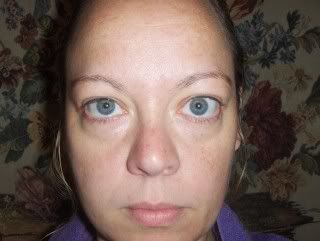
* 「Eyelid retraction」是 Graves disease最常見的特色 (90%) ~重要!
* 其它:
exophthalmos 60%, 眼外肌影響 40%, optic nerve dysfunction 6%
complete TED:上述所有症狀皆俱者,加上hyperthyroidism:只佔5%
Thyroid function normal者:仍可能有TED
Grave’s ophthalmopathy
最常影響的眼外肌: MR, IR
最少影響的眼外肌–lateral rectus
=> 眼外肌的enlargement呈fusiform, 而且spares the tendons(重要!)
四條直肌受TED影響的順序: IR→MR→SR→LR
口訣: I'm Super Lady (Thyroid Eye的大眼妹)

TED是成人單側或雙側之proptosis的最常見原因,也是兒童雙側proptosis的最常見原因。(兒童單側:cellulitis)
Smoking 會惡化Graves disease
抽煙量和其惡化程度呈正比
Surgical treatment of TED (依順序由先而後) 口訣:窩→肉→皮 (由深處往淺處做)
orbital decompression (窩)
strabismus surgery (肉)
eyelid surgery (皮)
systemic steroids on TED
用於有compressive optic neuropathy者
在等待decompression surgery之前使用
TED Surgical indications (口訣:COP)
1. Corneal exposure
2. Optic neuropathy
3. Proptosis
Graves eye disease的別名(都代表同一個疾病)
1. Graves Ophthalmopathy
2. von Basedow eye disease (歐洲較常用)
3. Thyroid Ophthalmopathy
4. Thyroid Associated Ophthalmopathy (TAO)
5. Thyroid Eye Disease (TED)
主要因為有TSH-receptor stimulating immunoglobulin
佔了85% thyrotoxicosis
作用於fibroblast上
會分泌Glycosaminglycan,使tissue swelling
女性比男性多六倍 ( TED ♀ > ♂ – 7 : 1 )
Ophthalmopathy程度高低與 T3 / T4 level 無關!
Ophthalmopathy程度高低與 TSH receptor Antibody(Ig) level 有關!
TED的表現:
* 「Eyelid retraction」是 Graves disease最常見的特色 (90%) ~重要!
* 其它:
exophthalmos 60%, 眼外肌影響 40%, optic nerve dysfunction 6%
complete TED:上述所有症狀皆俱者,加上hyperthyroidism:只佔5%
Thyroid function normal者:仍可能有TED
Grave’s ophthalmopathy
最常影響的眼外肌: MR, IR
最少影響的眼外肌–lateral rectus
=> 眼外肌的enlargement呈fusiform, 而且spares the tendons(重要!)
四條直肌受TED影響的順序: IR→MR→SR→LR
口訣: I'm Super Lady (Thyroid Eye的大眼妹)
TED是成人單側或雙側之proptosis的最常見原因,也是兒童雙側proptosis的最常見原因。(兒童單側:cellulitis)
Smoking 會惡化Graves disease
抽煙量和其惡化程度呈正比
Surgical treatment of TED (依順序由先而後) 口訣:窩→肉→皮 (由深處往淺處做)
orbital decompression (窩)
strabismus surgery (肉)
eyelid surgery (皮)
systemic steroids on TED
用於有compressive optic neuropathy者
在等待decompression surgery之前使用
TED Surgical indications (口訣:COP)
1. Corneal exposure
2. Optic neuropathy
3. Proptosis
訂閱:
文章 (Atom)